
If You See Something, Say Something.
Recognizing the signs of sexual abuse, assault and human trafficking is a crucial step in protecting vulnerable individuals and offering timely support. These forms of exploitation often occur in silence, hidden behind fear, shame or manipulation. Whether you're a parent, educator, healthcare provider or concerned community member, being aware of the physical, emotional and behavioral warning signs can help you intervene early and connect survivors to the help they need. Understanding what to look for empowers all of us to be part of the solution.
If you notice one or more of these signs, it doesn’t guarantee abuse or trafficking is happening—but it does warrant concern and possibly a deeper conversation or referral. Trust your instincts.
What you can do:
-
Call 911 if the person is in immediate danger.
-
Report suspicions of trafficking to the National Human Trafficking Hotline: 1-888-373-7888 or text “BEFREE” (233733).
-
Call the National Sexual Assault Hotline at 1-800-656-HOPE (4673) for confidential support and guidance.
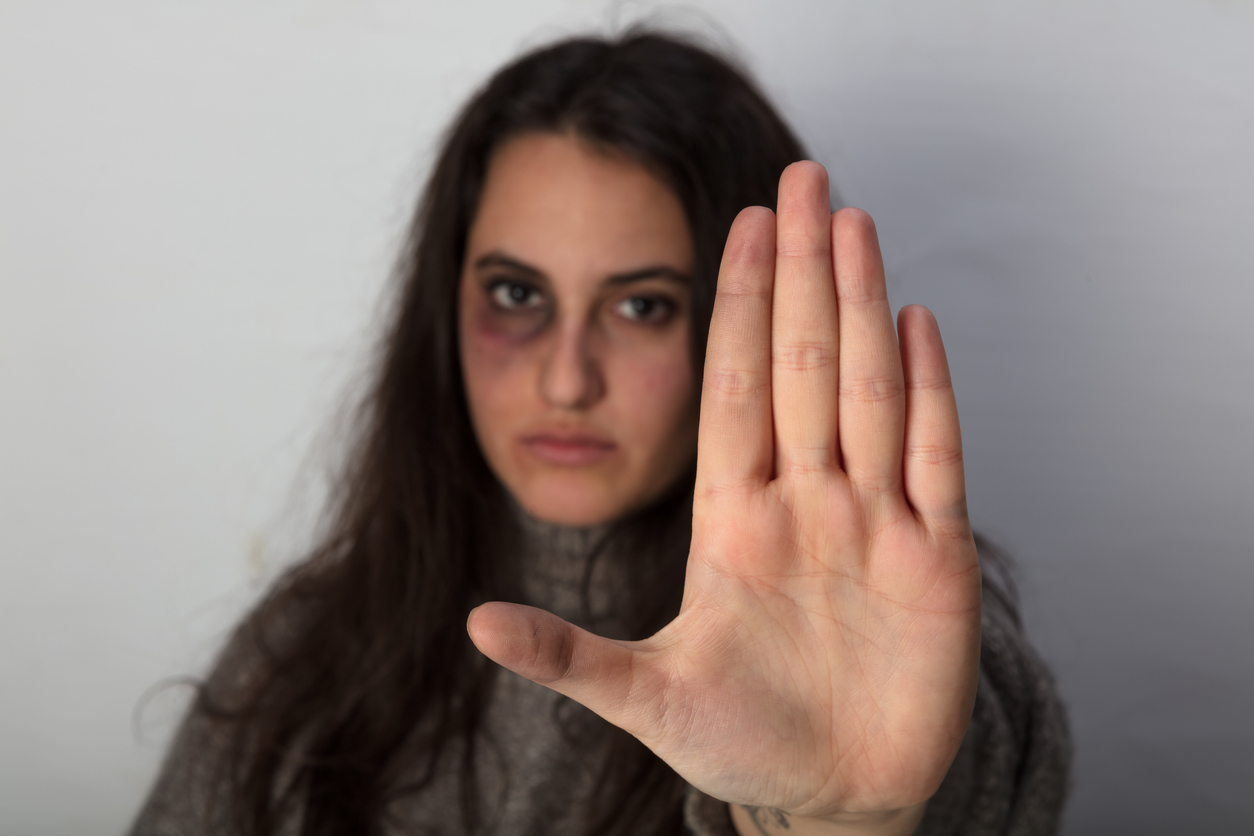
Physical Signs of Abuse
-
Unexplained bruises, bleeding, or injuries, especially in genital or anal areas
-
Torn, stained or bloody clothing
-
Difficulty walking or sitting
-
Sudden onset of chronic pain or recurring infections (e.g., UTIs)
Emotional & Behavioral Signs of Abuse
-
Intense fear, anxiety, or depression
-
Sudden withdrawal from friends, activities or social settings
-
Nightmares or trouble sleeping
-
Avoidance of specific people or places
-
Signs of PTSD (flashbacks, hypervigilance, emotional numbness)
-
Self-harm, eating disorders or suicidal thoughts
Abuse In Children & Teens
-
Age-inappropriate sexual behavior or knowledge
-
Regression (bedwetting, thumb-sucking, clinginess)
-
Reluctance to be left alone with certain individuals
-
Drastic changes in school performance or behavior
Human Trafficking Behavioral Signs
Human trafficking—both sex and labor trafficking—involves exploitation through force, fraud or coercion. Survivors may be minors or adults and trafficking often goes undetected because it can happen in plain sight.
-
Appears fearful, anxious, submissive or paranoid
-
Avoids eye contact or social interaction
-
Rehearsed or controlled responses when speaking
-
Doesn’t know their location or address
-
Is not in control of personal documents (ID, passport)
Human Trafficking Physical Signs
-
Signs of physical abuse: bruises, burns, malnutrition
-
Poor hygiene, untreated medical conditions
-
Tattoos or branding (especially with names, barcodes, symbols)
-
Fatigue from long or unusual work hours
Human Trafficking Situational/Environmental Clues:
- Is accompanied by someone who insists on speaking for them
-
Lives and works in the same place
-
Doesn’t have freedom of movement or transportation
-
Works in a commercial sex industry or under suspicious labor conditions